

The Impact of Plastic Pollution on Our Oceans
Pollution from synthetic materials has evolved from a local waste-management issue into one of the most significant environmental challenges facing humanity. Over the past several decades, these materials have become deeply embedded in modern life because they are inexpensive, lightweight, durable, and versatile. From food packaging and shopping bags to electronics and medical supplies, synthetic materials are everywhere. The problem begins when these products are discarded improperly and eventually find their way into natural ecosystems. Oceans, unfortunately, have become the final destination for a massive amount of this waste.
According to recent data from the United Nations Environment Programme (UNEP), between 19 and 23 million tonnes of synthetic waste leak into aquatic ecosystems every year, polluting rivers, lakes, and oceans. UNEP also reports that the equivalent of approximately 2,000 garbage trucks full of synthetic waste enters aquatic environments daily. These numbers paint a disturbing picture of a planet struggling to manage its growing dependence on synthetic materials.
The ocean functions much like Earth’s circulatory system. It regulates climate, supports biodiversity, and provides food and livelihoods for billions of people. When plastic enters this delicate system, the consequences ripple through every layer of marine life. What makes plastic pollution particularly dangerous is its persistence. Unlike organic materials, most plastics do not biodegrade completely. Instead, they break into smaller and smaller pieces, remaining in the environment for decades or even centuries. As a result, today’s plastic waste will continue affecting marine ecosystems long after future generations inherit our oceans.
Plastic waste entering oceans on a global scale
The sheer scale of ocean contamination is difficult to comprehend. Scientists estimate that more than 11 million metric tons of waste enter oceans annually, and without effective intervention, these figures could increase dramatically in the coming decades. UNEP warns that polymer emissions into aquatic ecosystems could nearly triple by 2040 if meaningful action is not taken. Polymer pollution continues to pose a significant threat to marine life and ecosystems.
The following table highlights some key statistics regarding ocean synthetic material pollution:
Statistic | Latest Estimate |
Plastic entering oceans annually | 11+ million tonnes |
Plastic leaking into aquatic ecosystems | 19–23 million tonnes/year |
Plastic currently in oceans | 75–199 million tonnes |
Global plastic production annually | 400+ million tonnes |
Global plastic recycling rate | About 9% |
These numbers reveal a troubling reality. While synthetic polymer production continues to rise, waste management systems have not kept pace. Nearly half of all synthetic materials produced are designed for single use, meaning they are discarded after only a brief period of use. Packaging materials, polymer bottles, disposable cutlery, and shopping bags are among the largest contributors to marine litter. The ocean has effectively become a giant storage facility for humanity’s discarded convenience products.
Think of the ocean as a bathtub. If water continues flowing into the tub faster than it drains, eventually it overflows. The same principle applies to synthetic waste. Cleanup efforts are important, but unless the flow of synthetic materials entering the ocean is drastically reduced, the problem will continue growing.
How Waste Travels from Land to Sea
Many people imagine ocean plastic as waste directly dumped from ships, but the reality is much more complex. Research indicates that approximately 80% of marine synthetic pollution originates from land-based sources. Everyday litter discarded in cities, parks, roadsides, and landfills often finds its way into rivers and drainage systems.
DuDuring rainfall, synthetic debris is carried into streams and waterways. Rivers act like highways transporting waste from inland regions directly to the ocean. Urban runoff, inadequate waste collection systems, and overflowing landfills contribute significantly to this process. In developing and developed countries alike, poor waste management remains a critical factor behind synthetic leakage into marine environments.
CoCoastal tourism also plays a substantial role. Popular beaches frequently accumulate discarded bottles, food wrappers, cigarette filters, and other synthetic products left behind by visitors. Maritime industries contribute additional pollution through lost cargo, fishing equipment, and abandoned nets. Fishing gear, often called “ghost gear,” continues trapping marine animals long after being discarded.
OcOcean currents then distribute synthetic materials across vast distances. Some debris accumulates in massive ocean gyres, forming regions such as the Great Pacific Garbage Patch. Contrary to popular belief, these are not floating islands of trash but enormous zones filled with countless pieces of synthetic material ranging from large debris to microscopic particles. Once synthetic items enter these systems, retrieving them becomes extraordinarily difficult.
Effects on Marine Life
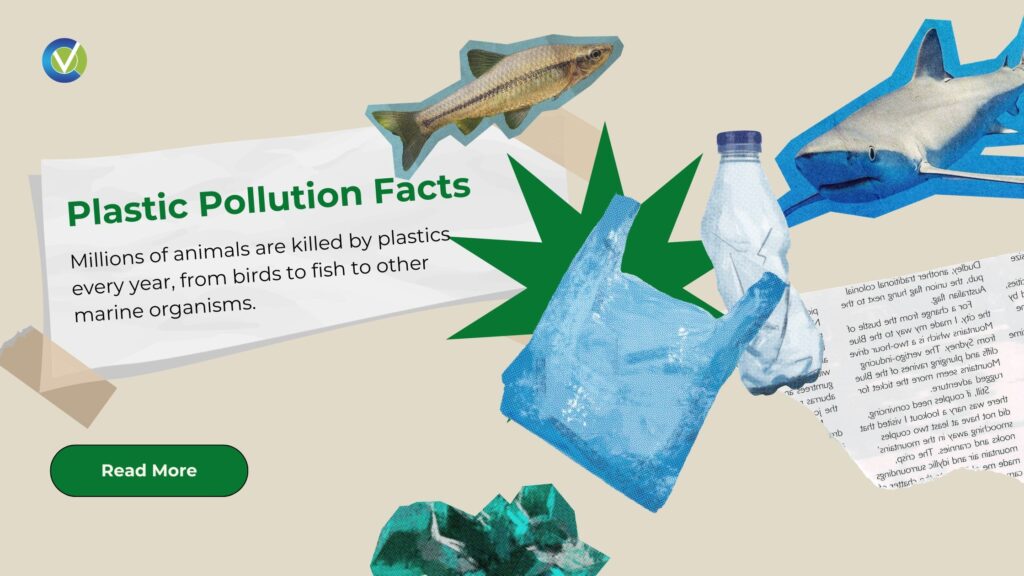
Marine animals are among the most visible victims of harmful polymer pollution. Every year, millions of marine creatures suffer injury or death due to discarded waste. The effects range from physical entanglement to internal poisoning and starvation.
Sea turtles, whales, dolphins, seals, seabirds, and fish frequently become entangled in abandoned fishing nets, ropes, and plastic packaging. These plastic materials restrict movement, cause injuries, and often lead to drowning. Animals trapped in plastic debris may struggle for days or weeks before dying from exhaustion or infection.
Ingestion of synthetic materials poses an equally severe threat. Marine animals often mistake these substances for food because they resemble natural prey. Sea turtles confuse synthetic bags with jellyfish, while seabirds feed colorful synthetic fragments to their chicks. Once swallowed, these materials can block digestive systems, create false feelings of fullness, and prevent animals from obtaining essential nutrients.
A recent scientific analysis involving more than 10,000 marine animal examinations found synthetic materials in the digestive systems of 47% of sea turtles, 35% of seabirds, and 12% of marine mammals. Researchers concluded that even small quantities of these materials can significantly increase mortality risk among marine species. The tragedy is that many of these deaths are entirely preventable. A bottle cap, fishing line, or discarded synthetic bag may seem insignificant to humans, yet it can become a fatal obstacle for marine wildlife.
Impact on Ocean Ecosystems
The consequences of pollution extend far beyond individual animals. Entire marine ecosystems are being altered by the presence of waste. Coral reefs, often described as the rainforests of the ocean, are particularly vulnerable to debris.
Waste can physically damage coral structures and create conditions favorable for disease outbreaks. When coral reefs decline, countless species lose critical habitats, affecting biodiversity throughout the ecosystem. Since reefs support fisheries and coastal protection, their degradation has both environmental and economic consequences related to waste.
Pollution also disrupts marine food webs. Tiny organisms such as plankton ingest micro-debris, which are then consumed by larger animals. This creates a chain reaction that spreads contamination throughout the food web. As predators consume prey, particles and associated chemicals accumulate at higher levels of the ecosystem.
Scientists have discovered pollution in some of the most remote and deepest parts of the ocean. This demonstrates that no marine habitat remains untouched by waste. Whether in coastal estuaries, open oceans, or deep-sea trenches, contamination is reshaping ecological processes on a global scale. The ocean’s natural balance depends on complex interactions among species, and pollution interferes with these relationships in ways researchers are only beginning to understand.
Human Health Risks Linked to Ocean Waste
Pollution in the ocean is often thought to only impact marine life, but the reality is that the issue ultimately circles back to humans. We are intricately connected to ocean ecosystems through food, water, and economic activity. As contamination spreads through marine food chains, waste increasingly finds its way onto our plates.
Seafood is one of the primary pathways through which humans are exposed to microplastics. Fish, shellfish, and other marine organisms ingest particles that may remain in their tissues. While scientists continue studying the long-term implications, concerns are growing regarding the potential effects of chronic exposure to microplastics and associated chemicals.
Nanoparticles present an even greater challenge because their tiny size allows them to penetrate biological barriers. Recent research suggests these particles may enter human organs and tissues, although much remains unknown about their health impacts.
Beyond physical particles, materials often contain chemical additives designed to improve flexibility, durability, or color. Some of these substances are linked to hormone disruption and other health concerns. As these materials degrade in marine environments, they can also absorb pollutants from surrounding water, potentially concentrating toxic substances. The growing presence of waste throughout marine ecosystems raises important questions about food safety, public health, and environmental sustainability.
Economic Consequences of Ocean Plastic Pollution
Many people assume ocean pollution only affects marine life, but the issue ultimately comes back to humans. We are deeply connected to ocean ecosystems through food, water, and economic activity. As contamination spreads through marine food chains, it increasingly finds its way onto our plates.
Seafood is one of the primary pathways through which humans are exposed to microfibers. Fish, shellfish, and other marine organisms ingest plastic particles that may remain in their tissues. While scientists continue studying the long-term implications, concerns are growing regarding the potential effects of chronic exposure to microplastics and associated chemicals.
Nanoplastics present an even greater challenge because their tiny size allows them to penetrate biological barriers. Recent research suggests these particles may enter human organs and tissues, although much remains unknown about their health impacts.
Beyond physical particles, synthetic materials often contain chemical additives designed to improve flexibility, durability, or color. Some of these substances are linked to hormone disruption and other health concerns. As these materials degrade in marine environments, they can also absorb pollutants from surrounding water, potentially concentrating toxic substances. The growing presence of these materials throughout marine ecosystems raises important questions about food safety, public health, and environmental sustainability.
<span style="font-size: 14pt; font-family: "Times New Roman", serif; color: rgb(0, 0, 0); background-color: transparent; font-weight: 700; font-variant: normal; vertical-align: baseline;" Conclusion
Environmental pollution has become one of the defining challenges of the modern era. Millions of tonnes of waste enter oceans each year, threatening marine life, disrupting ecosystems, and creating potential risks for human health. From giant fishing nets to microscopic nanoplastics, the scale and complexity of the problem continue to grow.
The good news is that solutions exist. Improved waste management, sustainable product design, stronger regulations, technological innovation, and individual action can all contribute to reducing plastic pollution. Protecting our oceans requires collective responsibility and long-term commitment. The choices made today will determine whether future generations inherit thriving marine ecosystems or oceans overwhelmed by discarded waste.