

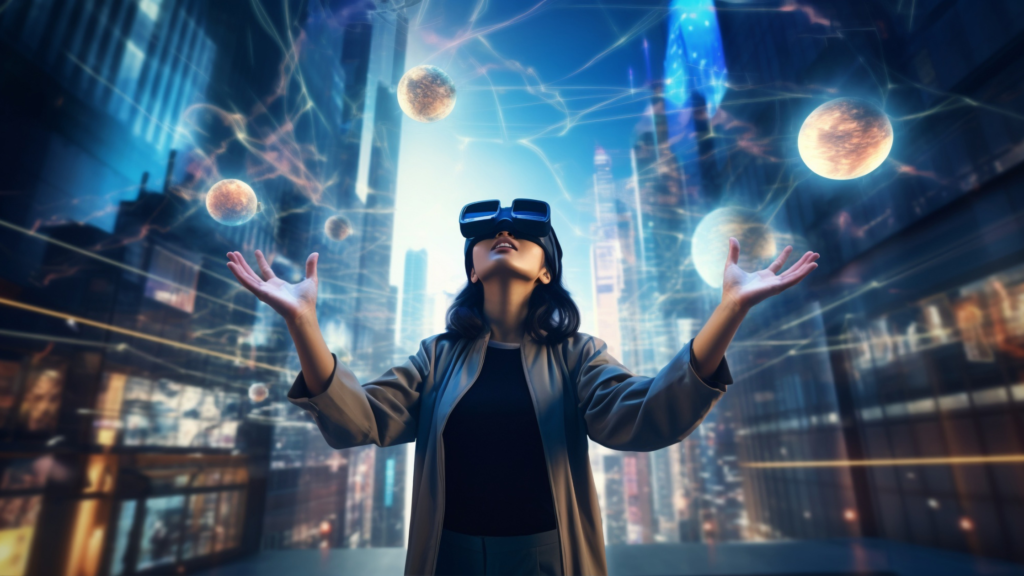
The year 2025 wasn’t just another phase of gradual progress—it marked a major turning point in how brands connect with consumers. Fueled by advanced Artificial Intelligence (AI) and a growing emphasis on digital ethics, the entire rulebook of digital marketing trends was rewritten. For marketers who adapted quickly, 2025 delivered unprecedented efficiency and hyper-personalized engagement. For those who didn’t evolve, it became a fast track to losing relevance.
Below are the most significant and impactful digital marketing trends that shaped 2025.
 AI Agents: From Assistant to ‘Chief Simplifier Officer
The most transformative shift of 2025 in digital marketing trends was the evolution of AI in marketing. Where 2024 viewed AI as a content creation tool, 2025 introduced the rise of the AI Agent—an autonomous, goal-oriented system capable of managing entire, complex workflows.
Strategic Automation:
AI agents moved beyond writing copy to handling real-time budget optimization, predictive analytics, and cross-channel campaign coordination. They became, in essence, a ‘Chief Simplifier Officer,’ reducing time-to-decision from days to minutes.
Hyper-Personalization at Scale:
AI-powered personalization reached an unprecedented level. Systems analyzed individual behavior in real time, delivering unique content and product recommendations across every touchpoint—from in-app experiences to automated email journeys.
The Trust Mandate:
As AI-generated content flooded the digital space, authenticity became the new currency. Brands were required to clearly label AI-created content and prioritize transparency to maintain consumer trust.

🔎 Search Evolution: The Rise of Conversational and Visual Discovery
The way users found information fundamentally changed, demanding a complete overhaul of traditional SEO strategies.
Answer Engine Optimization (AEO)
The dominance of Google’s AI Overviews (AIOs) and other conversational AI search interfaces meant fewer organic clicks. The new imperative was Answer Engine Optimization (AEO)—optimizing content to be cited by AI models and appear in zero-click answers.
- Strategy Shift: Marketers moved from targeting singular keywords to optimizing for conversational, question-based long-tail phrases and creating comprehensive, machine-readable explanations.
- Visibility over Traffic: The core SEO Key Performance Indicator (KPI) shifted from raw traffic to overall brand visibility across all AI-driven and organic search results.

Voice and Visual Search Go Mainstream
With the widespread adoption of smart speakers and visual search tools like Google Lens, optimizing for non-text queries became essential. Voice Search Optimization required a focus on natural language and local intent (e.g., “best coffee shop near me that’s open now”).
🎬 Video-First: The Dominance of Shoppable and Short-Form Content
Video solidified its position as the undisputed king of digital content, specifically in formats that minimized the friction between discovery and purchase.
- Short-Form for Discovery: Platforms like TikTok, YouTube Shorts, and Instagram Reels continued their explosive growth, driving brand awareness and product discovery through quick, engaging micro-stories.
- Shoppable Video Commerce: The gap between content consumption and commerce practically vanished. Shoppable videos allowed consumers to click directly on products within a stream, video demo, or tutorial to purchase instantly. This was a massive driver for social commerce revenue.
- Immersive Advertising: Augmented Reality (AR) and Virtual Reality (VR) moved from novelty to necessity, especially in e-commerce. Virtual try-ons for fashion and AR furniture placement in homes redefined the immersive ad experience, significantly reducing returns.
🔒 The Privacy-First Imperative and Data Strategy
The ongoing phase-out of third-party cookies and global data privacy regulations forced a long-overdue focus on owned data assets.
- First-Party Data is Gold: Brands aggressively shifted to first-party data strategies, using email lists, loyalty programs, and gated content (lead magnets) to build their own reliable data pools. This owned data became the fuel for high-impact AI personalization.
- Contextual Advertising Returns: With tracking limitations, contextual advertising—placing relevant ads based on the content of the webpage, rather than the user’s history—saw a significant resurgence.
- Ethical Marketing: Consumer preference for brands with strong ethical stances solidified. Sustainability, inclusivity, and transparent data practices were not just marketing talking points but essential brand pillars that directly influenced purchase decisions.

Creator Economy: The Rise of the Hyper-Niche Influencer
Influencer marketing matured, moving away from large-scale celebrity endorsements to deep, authentic engagement.
- Micro and Nano Dominance: Brands focused on building long-term relationships with micro and nano-influencers (typically 1K–50K followers). These creators offered higher engagement rates and better trust within their specific, niche communities, delivering superior ROI.
- Community-Led Growth: The most successful brands fostered their own brand communities and leveraged User-Generated Content (UGC). This shifted the brand-consumer relationship from transactional to relational, where customers became authentic advocates.
The Road Ahead: Adapt or Fade
2025’s digital marketing shifts confirm that the future is AI-driven, experience-obsessed, and privacy-respecting. The successful marketer is now a hybrid strategist—part data scientist, part ethical storyteller, and part technology integrator.
To stay relevant, brands must invest in AI fluency, prioritize first-party data collection, and embrace a video-first, conversational content strategy. The digital ecosystem is now less about broadcasting messages and entirely about cultivating meaningful, personalized relationships at an unprecedented scale.
Ready to discuss your 2026 strategy? I can provide an in-depth analysis of how these major shifts impact your specific industry’s digital footprint. Would you like me to start by comparing the cost-efficiency of AI-Agent campaigns versus traditional programmatic advertising?